

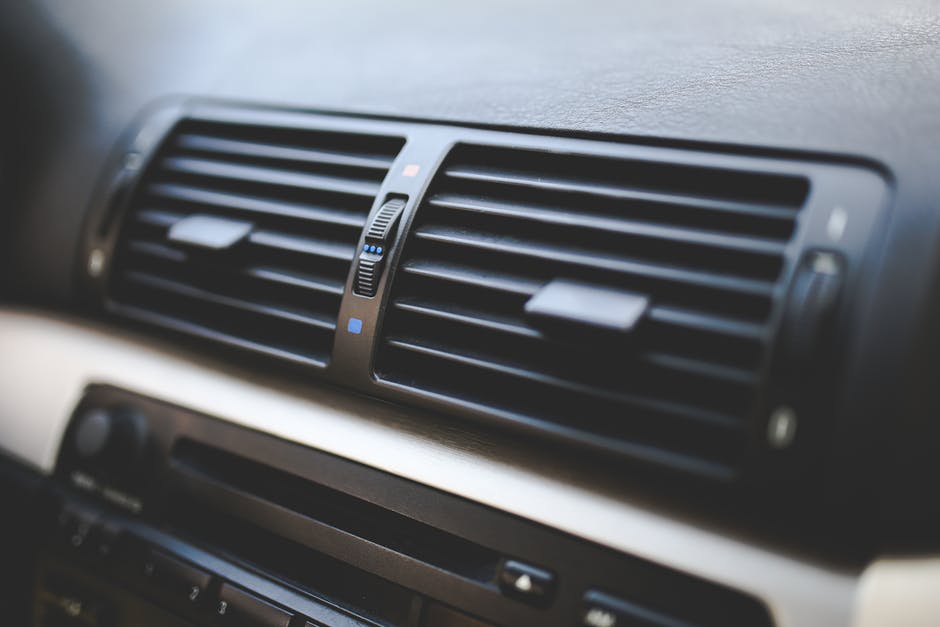
Why Pay More for Your Car Air Conditioning Repair?
Has your air conditioning just stopped working?
If you’ve driven a car in the middle of the summer for a few years, there’s a chance that your air conditioning has gone bad at the worst possible time. Driving without air conditioning during the summer can be miserable and potentially dangerous, especially because car temperatures rise quickly.
Yet, car air conditioning repair can be expensive. Depending on the problem, you might end up spending hundreds or thousands of dollars on services. You might want to consider alternatives that help you save money.
Want to know how to do this? Keep reading to learn more!
How to Diagnose Your Problem
But how do you know whether or not you can do your own car air conditioning repair?
After all, you don’t want to try to fix your problem yourself and end up making it worse. Yet, you don’t have to be a mechanic to perform some basic diagnostic techniques. Let’s go into some of them below.
Get a Leak Kit
One of the most common sources of an air conditioning problem is a refrigerant leak. Many people put refrigerant right back into their systems, and this sometimes fixes the air conditioning temporarily.
Yet, this won’t be a permanent fix if there’s a leak. Instead, the refrigerant will slowly drip out.
Fortunately, some companies sell kits that you can use to diagnose leaks. These kits contain a dye that you can spray into your system through your side port. The dye will then go through your pipes and show up if you have a leak.
Recharging Your Refrigerant
If you don’t have a leak, it may just be low refrigerant.
Many auto shops sell canisters of refrigerant that you can use on your car air conditioning system. First, purchase a can, and then locate the low side port of your air conditioning. Attach the canister’s hose to the port. The canister should have a gauge that reads the pressure the ambient pressure. You’ll want to pay attention to this as you fill the system up.
Turn the valve at the top of the canister to break the seal and begin filling up the system. Watch the gauge to determine when it’s full.
Once you’re done, remove the hose, redo the cap the on the lower side port, and store the can somewhere cool. Turn your car on and check your car air conditioning.
Want a refrigerant recharger? Check out Mr Freeze AC!
How to Save Money When You Need a Mechanic for Your Car Air Conditioning Repair
Sometimes, you need a mechanic to do your car AC repair.
If you have found leaks, for instance, you’ll need someone to repair them for you. How do you find the cheapest car AC repair cost?
Look up some shops around you and call each of them to discover their prices. Once you have this information, you can find the best mechanic for the best price.
Need More Auto Repair Advice?
If you need a car air conditioning repair, you might be wondering how to save money on it.
To avoid the car AC repair cost, see if you can take a look at your AC system first. You might be able to identify leaks and add refrigerant.
Need more auto repair advice? Check out the rest of our postings!