

Alternative Fuels Discussion
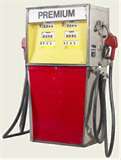 Alternative fuels are discussed on several pages of this blog. I thought it was time to fire up a discussion about why alternative fuel is necessary and more information about some of the popular types.
A concern of fossil fuel inventories reaching record lows and increased emissions standards for automobiles has led to an explosion in alternative fuel research. There are many factors to be considered when determining a viable source of alternative fuel.
These will include engine emissions, cost, fuel availability, safety, engine life and being able to build an infrastructure to deliver this combustible fuel.
Alternative fueled vehicles
Many vehicles on the road are designed to use something other than gasoline as fuel. These are commonly referred to as dedicated vehicles or multiple fuel vehicles. Dedicated vehicles are those designed to use one particular type of alternative fuel such as diesel.
 Multiple fuel vehicles are designed to use more than one fuel. Some of these bi fuel vehicles will have separate fuel tanks and can operate on one or the other.
Flexible fuel vehicles can operate solely on alcohol-based fuel, unleaded gasoline, or a mixture of the two. This property gives the driver flexibility and convenience when refueling the tank.
Types of alternative fuel
Diesel fuel vehicles are gaining in popularity, slowly. The ability for the modern diesel engine to meet increasingly tough emissions standards has made this a more viable solution for car manufacturers.
Some of these most recent diesel powered cars are not only able to and meet emission standards. But receive 50 miles to the gallon or more in fuel economy without sacrificing power.
 Being able to fuel these vehicles with biodiesel makes the subject even more interesting. Biodiesel fuels are derived from renewable biological sources for use in diesel engines.
Things such as animal fats, recycled restaurant grease, and vegetable oils derived from crops such as soybeans, corn and sunflowers are used in the production of these biodiesel fuels.
Biodiesel fuel can be used directly or be blended with standard diesel fuel. Another advantage of bio diesel is it’s a biodegradable alternative fuel that is non-toxic and free of sulfur. To use biodiesel no engine modifications are needed. And the emissions from the combustion are considerably lower compared to the standard diesel fuels.
Ethanol as an alternative fuel
Last year ethanol-based alcohol fuel was big in the news. Ethanol fuels are derived almost exclusively from corn, although Barley and wheat can also be used. The fuel is formed through fermenting and distilling starch crops that have been converted to simple sugars. Ethanol provides high quality, low cost octane fuel and is capable of reducing air pollution because it burns cleaner than unleaded gas.
Currently, ethanol is primarily used as an oxygen additive in gasoline, better known as winter blended fuels. Ethanol blended fuels account for approximately 20% of all automotive fuel sold in the United States.
Ethanol blended fuels are approved under the warranties of all major car manufacturers. Another advantage of an ethanol-blended fuel is that it keeps the fuel system clean because it does not leave varnish or gummy deposits like standard gasoline.
Being a type of alcohol, ethanol can absorb moisture in the fuel system and remove it during combustion very similar to a dry gas additive. If water contamination becomes too high it will separate out and fall too the bottom of the vehicle’s fuel tank where it can be removed.
The downside of using an ethanol blended fuel is a slight decrease in fuel economy. This will vary depending on the amount of ethanol blended into the fuel. But as a rule of thumb it is stated that an ethanol blended fuel will receive approximately 2% less fuel economy then straight up gasoline.
Alternative fuels discussion
In this blog post, we discussed two types of alternative fuels. We talked about biodiesel and ethanol blended fuels. My next blog post will address two more types of alternative fueling.
Leave your thoughts and comments about this post as well as ideas for the two types of alternative fuels to be discussed in the next blog post.
You can return to the homepage from this next link and see what else is covered on this auto repair information blog.