

What is the Obtainable Fuel Economy

What are the obtainable fuel economy figures for your car and why is it so important? Obtainable of course means something that is possible or achievable.
When it comes to your car or truck how many miles to the gallon should you expect from it? I’m going to show you how to find the specification from the environmental protection agency (EPA).
When people say “my car is getting rotten gas mileage” the first thing they should do is to find out how many miles their vehicle is actually returning per gallon of fuel. Expecting more than 10 MPG from a 1972 roadrunner with a 440 six pack is just not realistic. It’s important to get a measurement for several reasons. One is, why waste money on fuel. Two is, excessive fuel consumption can be a sign of car problems.
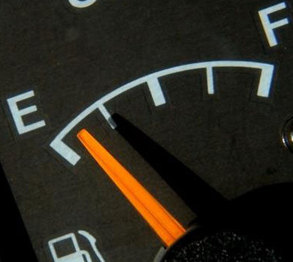
Figuring out average fuel economy is not difficult and I have written a complete article about how to calculate gas mileage that you can check out. After you find out exactly how many the car is getting then you need to compare this with an obtainable fuel economy specification. The only thing we have to go on is what the EPA stated this specific car should return in average mpg highway and city.
There is a place that you can go and pull up this information. In fact this website is filled with very valuable information for people looking to get the most out of their gas dollar. This next link will open in a new window and takes you to the real fuel economy.gov site. On that page you will be able to select Year, make and model for particular vehicles and find out what the city and highway EPA ratings are.
Why this is Important for Gas Mileage
With gas heading over four dollars a gallon again I am seeing a lot of websites including my competitors started to talk about how to improve fuel economy. By now anybody who searches on these types of information articles has probably seen all of the replace the air filter and pump up your tires information that they can stomach.
What I don’t see a lot of people talking about is the importance of finding out what your actual miles per gallon is and what to expect if you try to increase this figure by following a bunch of tips. In my opinion the average driver should never expect to get more than what the EPA has established as the highest number which is usually the highway miles per gallon figure. In fact this number is set high enough that it makes a good goal.
There are people out there that are good at thinking outside of the box and are able to blow that number out of the water. But this is not a usual situation. As an example Wayne Gerdes from clean miles per gallon set a Guinness book world record in a 2011 Kia and achieved 64 1/2 miles per gallon with no modifications to the vehicle at all. What he did was apply a technique known as hyper miling in to achieve these numbers.
Although this guy is my hero and what he did was truly amazing these are not results that should be expected by regular drivers. His hyper-mile techniques include limiting the use of brakes and extreme amounts of coasting. For drivers that are looking to get somewhere and drive their vehicle in the city and on the highway these methods just aren’t practical if you want to get to the destination in one piece.
Gimmicks for Increasing Gas Mileage
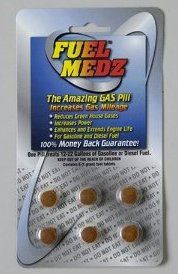 A lot of my competition and some of the articles that I have been reading since gas prices are heading upwards all gang up on things and products that claim to increase gas mileage. Although I agree that magnets and pills and gizmo’s have never worked for me I like the fact that people are trying to do something about changing what is obtainable fuel economy.
If people don’t experiment and try different things then innovation is dead. What I do think is worth noting is what I said at the beginning of this article. You should not try any device that is meant to enhance fuel economy unless you know Two things. Number one is, what are the current miles per gallon under normal driving conditions today. Two is what can you expect to be normal fuel economy. This is the EPA rating for your specific make and model.
With that information under your belt you can try different techniques and even products if you so desire to push these numbers forward. After you make one change at a time, track the results and compare to both number one and number two mentioned above. Then you decide whether to go in a different direction or continue forward in the same direction.
So although I will not be throwing any fuel pills into my gas tank I have nothing against the guy who invented it and showed the desire to try and improve fuel economy. If it doesn’t work that’s fine but I don’t want to suppress any inventive thinking. I mean who would’ve thought that Wayne could’ve gotten 64 1/2 miles per gallon out of a Kia with no modifications. I sure am glad that it was documented and proven to be genuine by the Guinness Book of World Records otherwise he would have been sent to jail for lying.
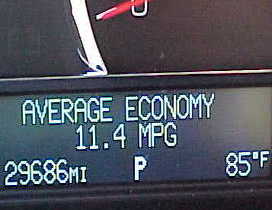
Note the Average economy picture above is from my 2009 Cadillac SRX. I am a lead foot driver and fall far short of the estimated 15 MPG city from the EPA. This is another example how the EPA rating can make for a great goal! For more of the latest articles added to this order repair information website this next link will take you back to the auto repair information blog home page.