

Brake Fluid Inspections
Brake fluid inspections are performed during a visual vehicle safety check. Often car owners will complain about brake system problems, in particular about the way the brakes feel or sound. Here we’ll provide a basic education on something you can check yourself and how to recognize signs of a problem. We’ll discuss information the fluid in the master cylinder can provide and talk about changing it for maintenance purposes. Also at the end I’ll share the story about my Chevrolet Blazer and the fallout from ignoring the brake fluid.
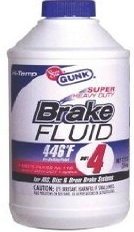
Checking the brake fluid is a good place to start and can tell you more about the condition of the brakes than you may realize. It’s the lifeblood of any hydraulic brake system and is responsible for proper operation and how the pedal feels to the driver.
Brake fluid not only serves as a lubricant to the many parts that it comes in contact with it also fights corrosion and rust in those components, hoses and lines. For this reason many mechanics believe in replacing the fluid every few years regardless of its condition.
On the negative side, it readily absorbs moisture. This is known as a hygroscopic fluid, and this is why it must be sealed properly and not stored in open containers. The time that the master cylinder cap is off should also be kept to a minimum.
Keep in mind that a mechanic should perform a complete inspection of the brake system including rotors, calipers, pads and road testing the vehicle to confirm any complaints. With that said, this statement doesn’t mean the average car owner can’t get involved with their own automobiles well-being.
Checking the Brake Fluid
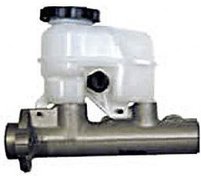
Brake fluid levels are checked at the master cylinder. Most modern master cylinders have a plastic reservoir that holds the brake fluid. These plastic reservoirs usually have markings for low and full levels.
The plastic container is just translucent enough for you to actually see through and view the actual amount of brake fluid in the container. On some models the plastic is thick enough and the fluid is so clean it can be difficult to see.
In these cases you can take a flashlight and hold it up against the reservoir while you look through on the opposite side. The flashlight will illuminate the fluid and make it easier to see the actual level.
Note that if you plan to add any fluid that it is extremely important that you clean the master cylinder before you open it. You also don’t want to leave the reservoir open for a long period of time. You must keep all dirt and moisture out of the master cylinder reservoir. This is important, only install the recommended fluid type that is indicated on the master cylinder cover.
What the Brake Fluid Can Tell You
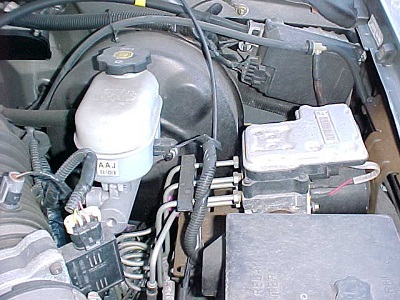
The fluid should be clean, free of debris floating around and a light golden color. You can open a new container to get a good idea of what it’s supposed to look like and then compare yours to it. When it’s dark or thick looking this is a sign of contamination. This bad fluid should be flushed out and replaced. Contaminated brake fluid can damage important seals in the brake system.
Another thing the level can tell you is an approximation of the amount of wear on the brake pads and shoes. This will only work on systems that haven’t had fluid added to them. If it’s low, then inspection of the pads and shoes should be performed. Let me explain why. As brake pads wear the pistons extend from the calipers further to properly apply the brakes. This leaves more room in the caliper bore for fluid. This fluid is supplied from the reservoir.
The more the brake pads wear the more fluid is held by the calipers and the lower the master cylinder level becomes. This is just a basic rule of thumb, but if you do your own maintenance and you know you haven’t added to the master cylinder fluid level, it can be a sign that a brake inspection is necessary.
Brake Fluid Maintenance
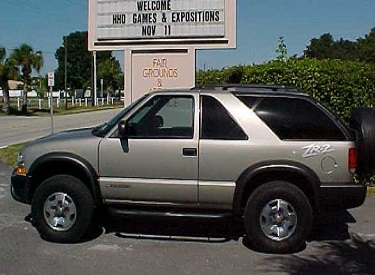
As I mentioned above there are some well respected mechanics that recommend changing the fluid every few years as a maintenance operation. Personally, I wait until I see the fluid darken slightly.
However, this backfired on me with my Chevy Blazer. I let it go about 7 years and it got very dark. Soon after, I had binding front caliper issues. When I took them apart I could see heavy corrosion and pitting on the piston and cylinder bores. This forced me into replacing them. I should mention, I used the Blazer for towing an 18 foot boat with a single axle trailer for five of the seven years. The trailer had no additional braking system, so the truck had to stop a much heavier load for those years.
View the latest automotive articles and post on the auto repair information blog.