

Manual Transmission Diagnosis
Last week’s post was about manual transmission diagnosis and repair. This week I will dive a little deeper into actually diagnosing problems.
Surprisingly, information about manual transmissions is not that easy to find on the Internet. That is why I decided to post a few more times about this subject.
But keep in mind the most accurate information is available in your vehicle specific auto repair manual. This should list the most common problems associated with, your transmission and/or trans-axle if you have a front wheel drive car.
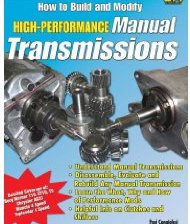
Here is also a Amazon link for the how to rebuild manual transmissions
Many problems that seem transmission related may actually be caused by defects in the clutch assembly differential or drive shaft areas. Check these areas along with your standard diagnosis, particularly if you are considering removing the transmission for further inspection or repair.
Visually inspect your manual transmission
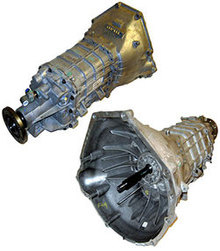
Before you start grabbing wrenches and removing bolts it is always recommended to perform a really good visual inspection. Here are five of the things that you should check for.
1) Check for looseness of the transmission by pushing up and down on the unit from the tail shaft (a pry bar in the right place makes this easier). Take a look at the transmission mounts to see if the rubber separates from the metal plate. If the case moves up but not down. The mounts may require replacement.
2) Check for lubrication leaks at all of the gasket and sealing areas. On manual transmissions the output shaft seals or rear trans seal where the front drive shaft yoke slides in is prone to leakage. So don’t miss taking a look at this tail shaft seal.
3) Check the case body for signs of porosity that show up as a leak or seepage of lubricant. Aluminum housings can have small imperfections that allow transmission fluid to leak out of areas that are not sealed by gaskets.
4) Move the clutch and shift linkage around the gate and check for loose or missing components. Cable linkages should have no kinks are sharp bends and all movement should be smooth. Lubricating and adjusting the linkage can alleviate binding problems.
5) Manual transaxle’s with the CV joints or tripod joints should be checked for lubrication leakage. Older vehicles may experience cracking of the rubber boot that allows the heavy grease to be thrown out of the joint while it is spinning.
It is also possible for the band clamp to loosen and allow the grease to escape. Finding these problems early can save you from replacing the joint.
Transmission noise
Many manual transmissions, complaints will stem from noise during operation. Once again be certain the noise is not coming from other components in the drive train.
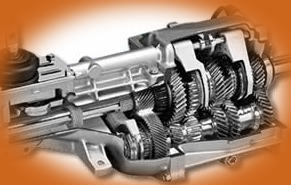
Unknown unusual noises may also be a sign of trouble in the engine or transmission mounting system. Inspecting all engine mounts along with the transmission mounts should be done early in the inspection process.
A test drive with the vehicle’s owner is recommended. If during a test drive, you hear a noise you suspect is coming from inside the transmission or manual transaxle bring the vehicle to a complete stop. Then disengaged the clutch.
If the noise stops with the engine at idle and the clutch disengaged the noise is probably caused from spinning parts inside the unit. If the noise occurs when the clutch is disengaged and the transmission is in the neutral gear.
The problem may stem from the input shaft bearings. When your foot is off the clutch pedal and the transmission is a neutral. The only spinning or moving parts would be the input shaft and clutch components.
Detailed and extremely helpful ladder diagrams in quality auto repair manuals will help guide you through the steps of not only diagnosis but also the repair.
The service manual also indicates where special tools will be required for disassembly. Knowing what is involved in the repair should be looked into before removing the transmission from the vehicle.
Return to the homepage and see the latest posts. This next link takes you to more auto repair information.